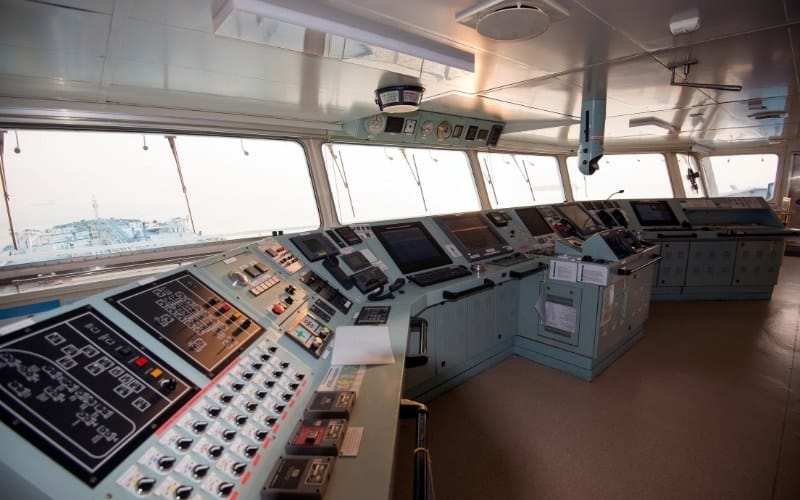
Bridge Watchkeeping on Long Passages: Maintaining Situational Awareness
Long ocean passages demand consistent lookout, disciplined watch handovers and careful monitoring even when traffic and weather appear routine.
Why quiet watches still require attention
On a long ocean passage, the bridge routine can appear repetitive. Sea conditions may change slowly and nearby traffic may be limited. That apparent calm is exactly why disciplined watchkeeping matters: subtle changes are easier to miss when nothing unusual seems to be happening.
The officer of the watch must maintain situational awareness using all appropriate available means, in accordance with the vessel's procedures, the master's standing orders and the applicable collision-prevention rules.
Begin with a complete handover
A watch handover is more than confirming the vessel's position and course. The incoming officer needs a clear picture of the passage plan, traffic, weather, navigational hazards, equipment status and any instructions or concerns carried forward.
Pay particular attention to matters that could affect decisions during the next watch:
- Traffic targets and developing close-quarters situations
- Planned alterations of course and route constraints
- Weather forecasts, visibility and sea state
- Navigational warnings and temporary restrictions
- Defects, alarms and equipment limitations
- Master's standing and night orders
If circumstances make the handover unsafe or incomplete, follow the ship's procedures rather than rushing the transfer of responsibility.
Keep a proper lookout
Radar, AIS and ECDIS are useful tools, but no single display replaces a proper lookout or sound judgement. Use visual observations, hearing and available instruments appropriately, and cross-check information when indications disagree.
AIS data may be absent, delayed or inaccurate. Radar interpretation also has limitations. Assess collision risk using the full situation and apply the International Regulations for Preventing Collisions at Sea (COLREGs).
Monitor the passage continuously
Regularly verify the vessel's progress against the approved passage plan and monitor cross-track position, traffic and environmental changes. Make use of independent checks where appropriate instead of assuming that an electronic system is always correct.
A route that was safe at the previous watch may require reassessment after a weather change, traffic concentration or new navigational warning. Escalate concerns to the master in accordance with the vessel's procedures.
Manage fatigue and distraction
Night watches, disrupted sleep and long periods of low activity can reduce alertness. Recognise the signs of fatigue, keep communication channels clear and avoid unrelated phone use or activities that draw attention away from the watch.
The bridge team should follow applicable work-and-rest requirements. If fitness for watchkeeping is in doubt, report the concern promptly through the proper onboard channels.
Communicate early
Good bridge resource management encourages officers, ratings and pilots to share observations and challenge assumptions respectfully. Use clear, concise communication and confirm safety-critical messages.
Do not wait until a developing risk becomes an emergency before informing the master or requesting assistance. Early escalation preserves options.
Final thoughts
Safe ocean-passage watchkeeping is built on repeated, deliberate checks rather than dramatic interventions. A thorough handover, proper lookout, careful use of navigational equipment and open bridge-team communication remain essential from departure to arrival.
MarineInfo Editorial — general educational guidance. Always follow the vessel's approved procedures and applicable regulations.
Comments