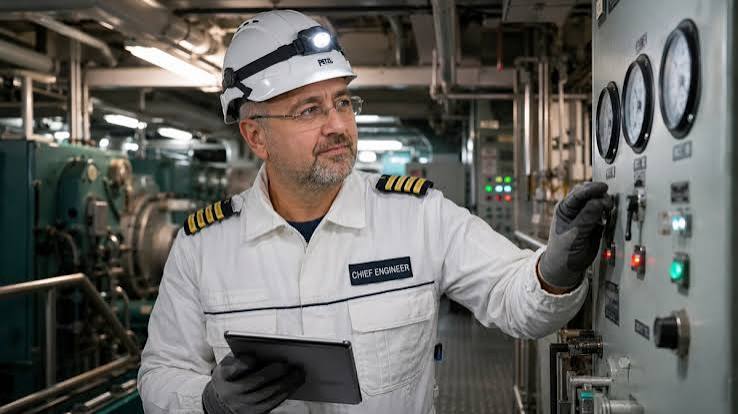
Leadership at Sea: Practical Habits That Build a Stronger Crew
Effective leadership on board is built through clear communication, fair decisions, useful handovers and a culture where crew members can raise safety concerns.
Leadership starts with daily decisions
A vessel depends on people with different ranks, departments, languages and levels of experience working toward the same operational goals. The quality of leadership is often most visible in ordinary moments: a pre-job briefing, a machinery handover, a change of plan or a crew member raising a concern.
Strong leadership does not mean having an immediate answer to every question. It means creating the conditions for safe work, clear decisions and responsible teamwork.
Communicate the plan and the reason behind it
Before a task begins, the team needs to know what is being done, who is responsible and what could change the plan. A useful briefing covers the objective, hazards, controls, communication method and the circumstances that require the job to stop.
Encourage crew members to repeat back critical instructions where misunderstanding could cause harm. Check understanding without turning the conversation into an interrogation, especially when the team works across different first languages.
If the plan changes, explain the change to everyone affected. Small communication gaps can become serious when departments assume that another team has been informed.
Make it safe to speak up
Crew members need a practical way to question an unsafe instruction, report a near miss or describe a fault without being dismissed. A supervisor can reinforce this by listening, thanking the person who raised the issue and following through on the report.
A fair safety culture still holds people accountable. It also asks whether procedures, equipment, workload or supervision contributed to a problem instead of assigning blame before the facts are understood.
Delegate with clear boundaries
Delegation helps junior personnel develop, but responsibility cannot be transferred simply by handing over a task. Match assignments to competence, explain the expected result, identify safety limits and confirm when the supervisor must be contacted.
For unfamiliar or safety-critical work, provide appropriate oversight. Never use training as a reason to bypass permits, isolations or established shipboard procedures.
Handle pressure without spreading confusion
Time pressure may come from port schedules, weather, equipment faults or commercial expectations. Effective leaders separate urgent safety actions from work that can wait. They communicate priorities calmly and keep an accurate picture of the vessel's operational condition.
When information is incomplete, say so. Verify readings, consult the responsible officers and document decisions. Confidence is useful; unsupported certainty is not.
Build better handovers and feedback
A good handover describes current conditions, abnormal trends, unfinished work, active permits and expected changes. Avoid relying on vague statements such as "everything is normal" when important exceptions exist.
Feedback should be timely and specific. Explain what went well, what needs improvement and how to do it more safely next time. Recognise good reporting and careful preparation, not only fast completion.
A simple checklist for onboard leaders
- Explain the task, risks and stop-work conditions before starting.
- Confirm that each person understands their role.
- Invite questions and respond respectfully.
- Match delegation to training and supervision.
- Record abnormal conditions and communicate across departments.
- Follow through on reported concerns.
Final thoughts
The most dependable onboard leaders combine technical competence with fairness, listening and consistency. These habits are useful whether someone is leading a small maintenance team, keeping a bridge watch or managing an entire department.
MarineInfo Editorial — practical guidance, not a first-person account of a specific seafarer's experience.
Comments