Five seafarers reported killed as three hijacked vessels are freed
The release of 44 seafarers from three vessels held captive in the Western Indian Ocean and Gulf of Aden has been overshadowed by the reported deaths of five crew members during the rescue of HONOUR 25. The IMO is calling for stronger regional action while 22 seafarers remain captive aboard ASANA.
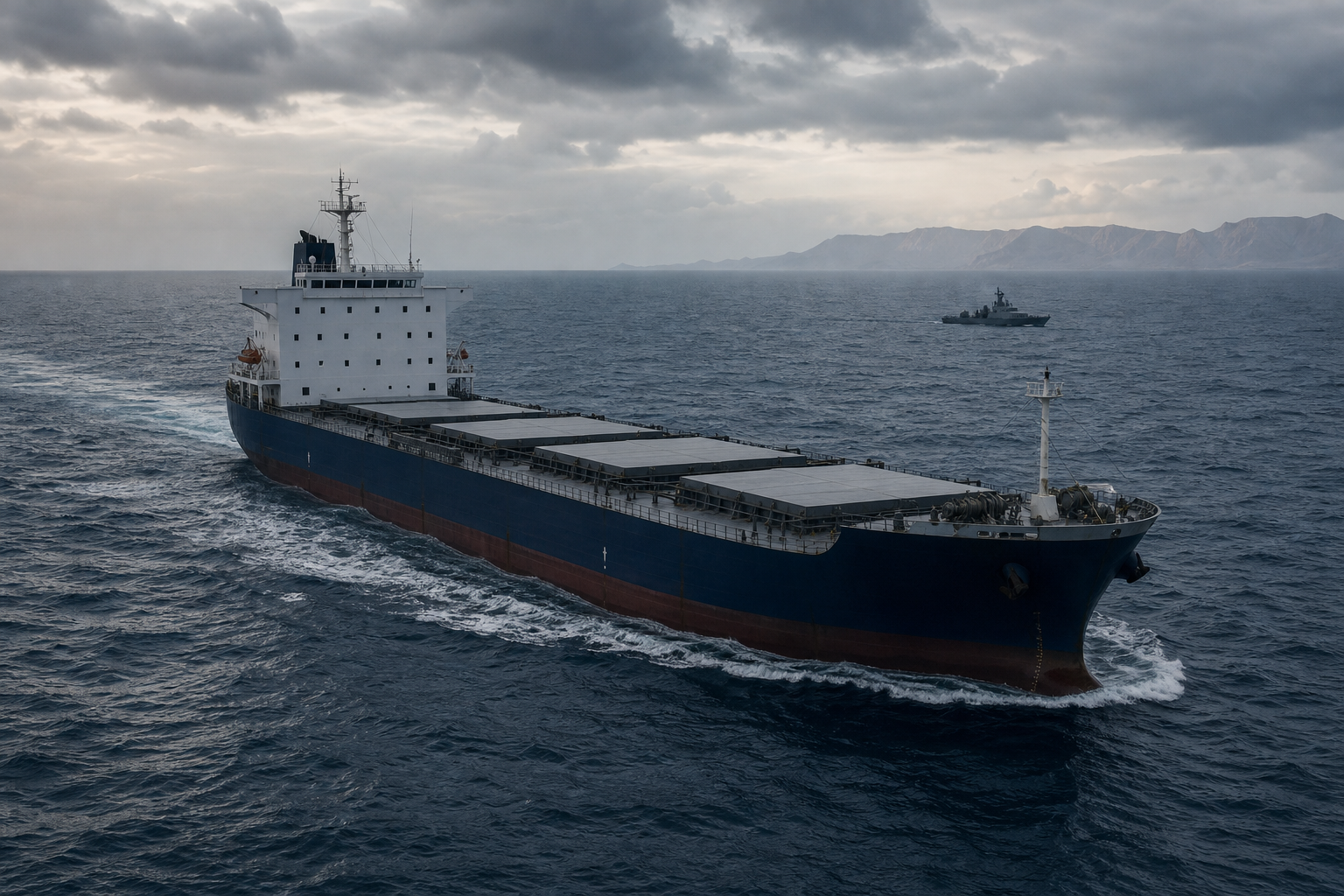
Five seafarers were reportedly killed and several others seriously injured during an operation to free the hijacked vessel HONOUR 25 in Somali waters on 29 September, according to the International Maritime Organization (IMO).
The incident occurred as authorities secured the release of three vessels that had been held by pirates and armed robbers. HONOUR 25, SEAMULL — also identified as SIBU 1 — and MT EUREKA were freed in operations in the Gulf of Aden and Western Indian Ocean region. In total, 44 seafarers were released. Their governments are working with shipowners and relevant authorities to arrange their repatriation.
IMO Secretary-General Arsenio Dominguez expressed condolences to the families, friends and colleagues of the five seafarers who died. He also called for appropriate medical treatment and welfare support for those injured during the operation and for the remaining crew of HONOUR 25, who were freed.
The IMO credited the Government of Somalia with efforts to secure the releases. However, the organisation said the security situation remains unresolved. Twenty-two seafarers are still being held aboard ASANA, which was seized earlier in 2026.
The IMO said maritime security in the region had been discussed by Dominguez during meetings at the United Nations General Assembly and in Brussels. It is urging governments to develop further initiatives, including a proposed Group of Friends of Safety and Security of Shipping and Seafarers, and highlighted the role of EUNAVFOR Aspides and Atalanta in supporting security in the Red Sea, Gulf of Aden and Western Indian Ocean.
The organisation is continuing to engage with relevant authorities and flag States, including on the safety and welfare of seafarers still in captivity. Through the Djibouti Code of Conduct initiative, it is also supporting regional capacity-building. The IMO has urged ships operating in the area to carry out detailed security risk assessments and apply industry best-management practices alongside relevant IMO guidance.