Singapore Retains Top Spot in 2026 Global Maritime Cities Ranking
Singapore remains the world’s leading maritime city in the 2026 ranking by DNV and Menon Economics. Shanghai is second and Tokyo fifth, giving Asia three places among the top five. The assessment highlights the importance of combining port capacity, shipping activity, maritime services, technology and competitiveness.
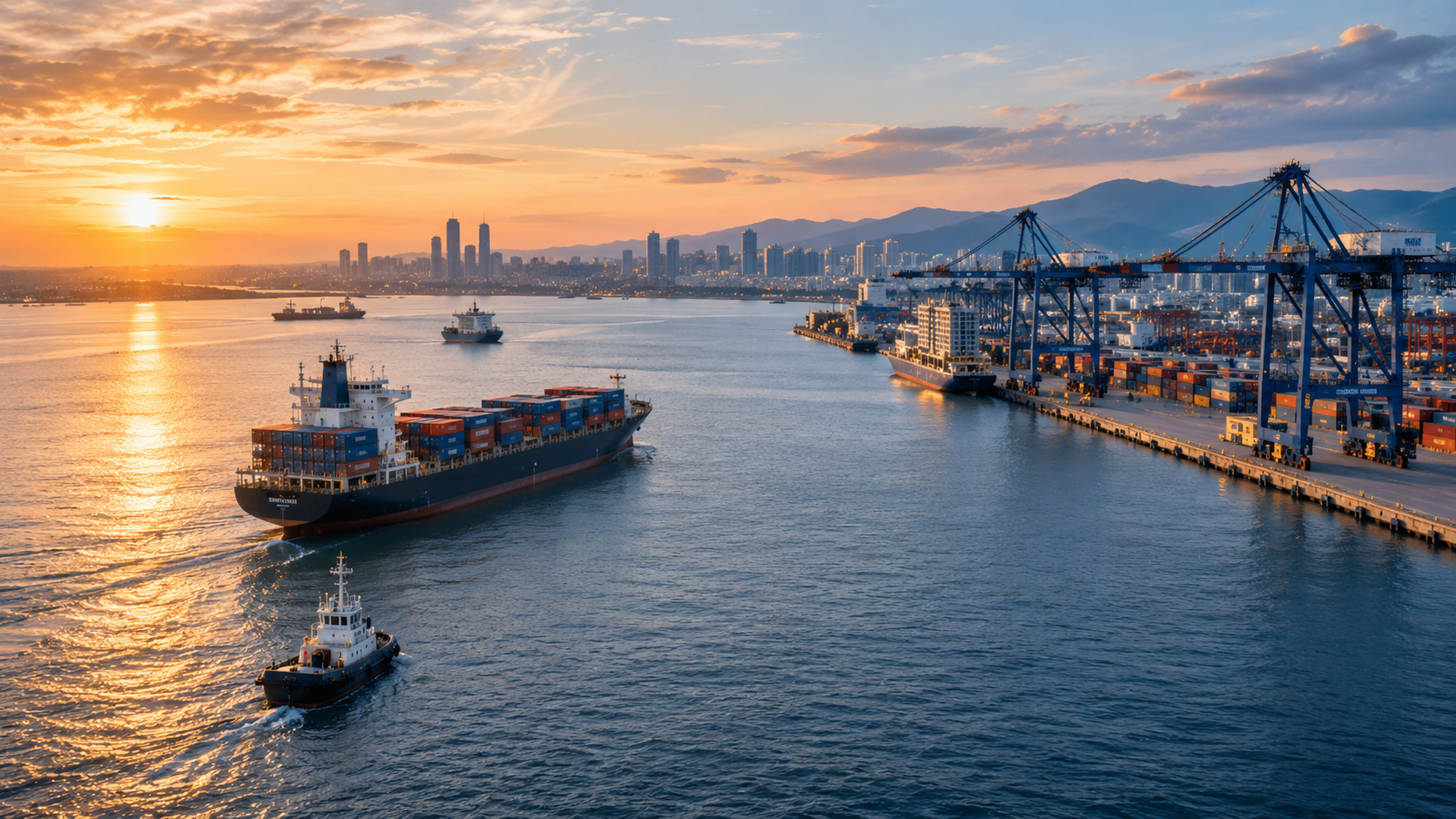
Singapore has retained its position as the world’s leading maritime city in the 2026 Leading Maritime Cities report from DNV and Menon Economics. The city has ranked first in every edition since the report was introduced in 2015.
Shanghai placed second, while Tokyo ranked fifth, meaning Asian cities occupy three of the top five positions. The remaining two cities in that group are not identified in the supplied report material.
The ranking assesses the business environment available to maritime companies and professionals across five areas: Shipping; Maritime Finance and Law; Maritime Technology; Ports and Logistics; and Attractiveness and Competitiveness.
Singapore ranked first in three pillars: Shipping, Ports and Logistics, and Attractiveness and Competitiveness. It was third in Maritime Finance and Law and fourth in Maritime Technology. DNV and Menon Economics said the city’s overall position reflects a combination of a substantial managed and owner-controlled fleet, an internationally significant port, strong liner connectivity, alternative-fuel bunkering capability and a broad maritime services sector.
The report’s authors present the results against a backdrop of disruption and adjustment across the maritime industry. DNV Maritime CEO Cristina Saenz de Santa Maria said the highest-ranked cities had shown that leadership depended on breadth rather than a single maritime activity. She also pointed to collaboration, investment and knowledge-sharing as priorities for the sector’s further development.
According to Dr Shahrin Osman, Global Business Development Leader, Maritime Advisory, and a co-author of the report, the assessment has developed beyond measuring where maritime activity is concentrated. It now examines how effectively cities combine maritime scale with the ability to adapt to changing industry conditions. The 2026 results therefore compare not only established maritime strengths, but also the wider capacity of each city’s maritime community to respond as the industry evolves.